
Truck driving continues to attract workers seeking stability, strong demand, and clear career paths across the transportation industry.
Many people searching for truck driver jobs want straightforward guidance on how to qualify and apply online without confusion. The hiring process can seem complex because licensing, health checks, and compliance rules are involved.
Understanding the steps before starting prevents wasted applications. This article explains how to prepare, where to apply, and what happens after submission.
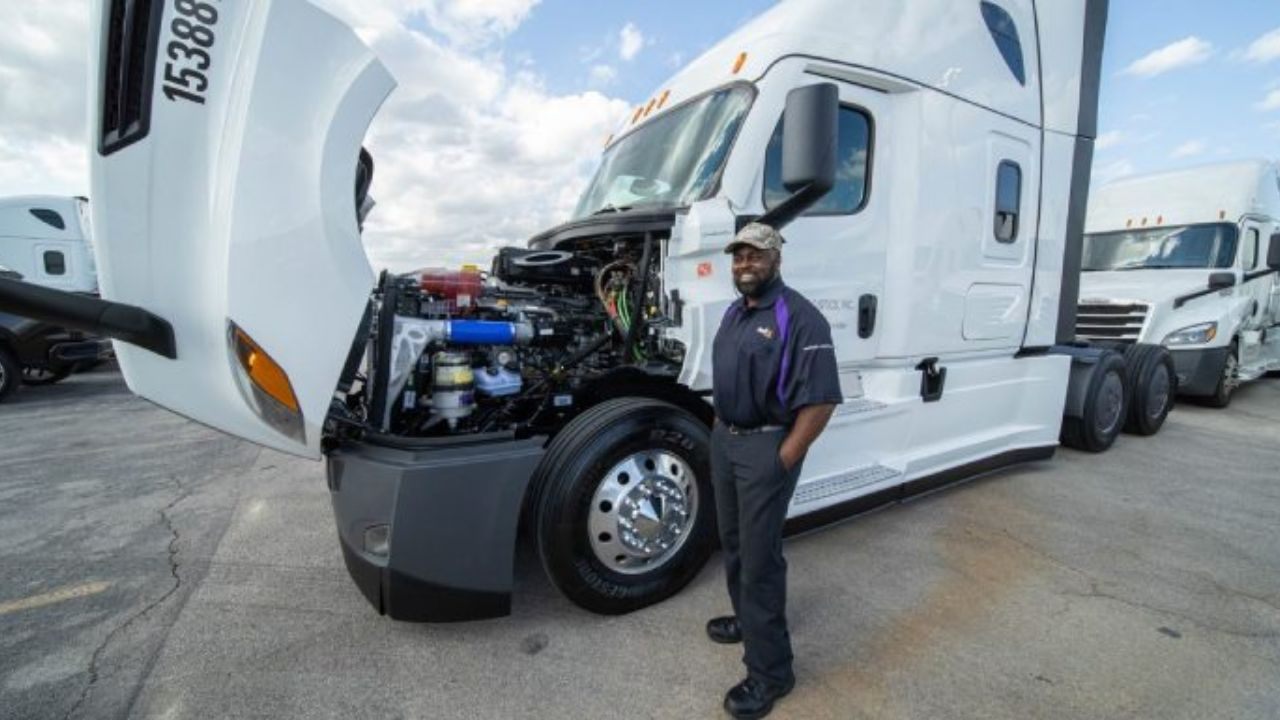
Understanding Truck Driver Job Requirements Before Applying
Before submitting applications, it is important to understand what trucking companies require from drivers.
Many rejections happen because applicants skip eligibility checks. Requirements vary by role, route type, and vehicle class. Knowing these details saves time and improves approval chances.
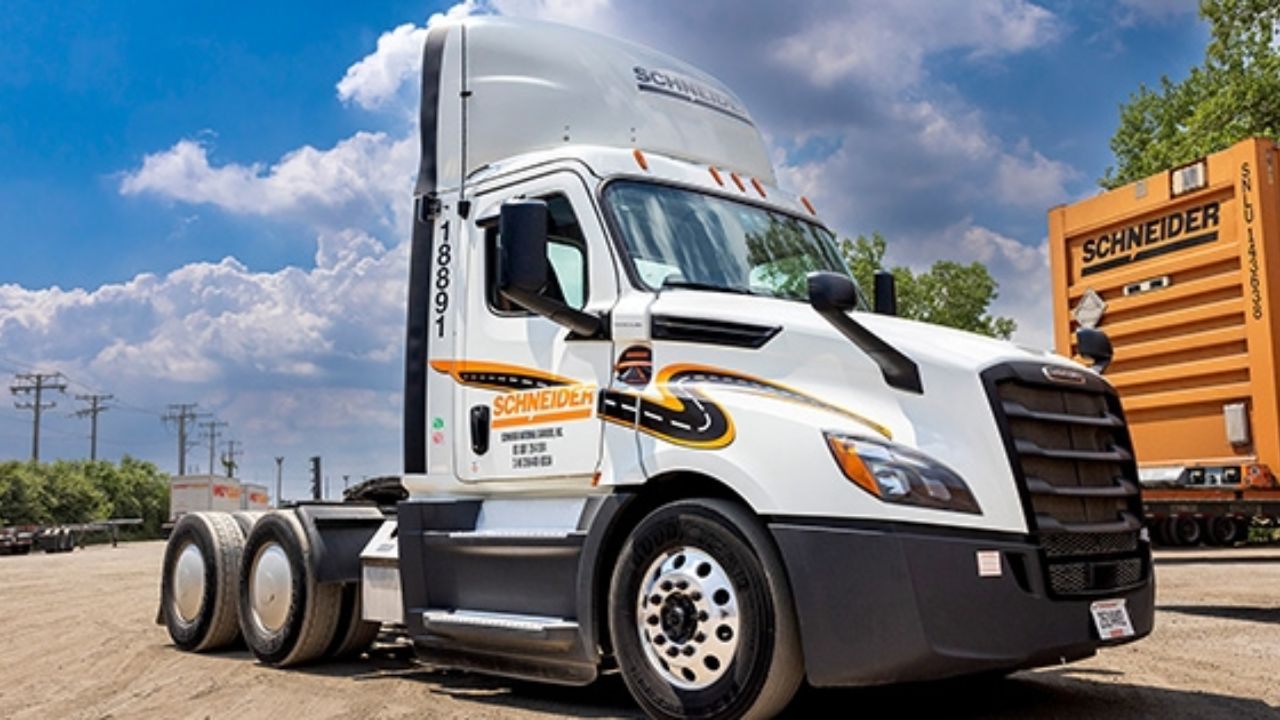
Eligibility clarity prevents unnecessary delays during the hiring process. This section explains the core requirements every applicant should review. Preparation starts with understanding the rules.
CDL License Types And Endorsements Explained
Truck driver jobs require specific CDL license classes depending on vehicle weight and cargo. Class A licenses cover tractor-trailers, while Class B licenses apply to straight trucks and buses.
Some roles also require endorsements for tankers or hazardous materials. Reviewing your state DMV CDL requirements page confirms eligibility.
Matching the license to the job matters when applying online. Submitting applications without proper credentials slows screening. Always verify requirements before proceeding.
Age, Medical, And Background Requirements
Federal regulations require drivers to meet age, medical, and background standards. Most interstate drivers must be at least twenty-one years old.
A DOT medical exam confirms physical fitness for long driving hours. FMCSA driver qualification guidelines explain disqualifying conditions clearly.
Medical compliance is non-negotiable for carriers. Background checks review driving history and safety records. Address issues early to avoid surprises.
Physical And Schedule Expectations
Truck driving involves long hours, physical endurance, and flexible schedules. Drivers may load cargo, perform inspections, and work nights or weekends. DOT physical exam overview resources explain stamina expectations.
Honest self-assessment improves job fit and long-term success. Companies value drivers who understand the demands. Realistic expectations reduce early turnover.
Preparing Your Documents And Credentials
Once eligibility is confirmed, preparation becomes the next priority. Trucking applications require accurate documentation and organized records.

Missing or outdated information causes delays. Preparing materials ahead of time speeds submission. Preparation saves hours during online applications. This section outlines what to gather and which tools help.
Organizing CDL And Medical Certification Records
Drivers must provide copies of their CDL licenses and medical examiner certificates. Storing these documents digitally prevents last-minute scrambling. Google Drive folders allow secure access from any device.
Digital organization reduces errors during uploads. Label files clearly with expiration dates. This system supports future renewals as well.
Building A Truck Driver Resume
A truck driver’s resume should highlight safety, reliability, and route experience. Resume Now CDL templates are designed for transportation roles. These templates focus on driving history rather than unrelated work.
Clear resumes improve recruiter review speed. Include license class and endorsements prominently. Keep formatting simple and readable.
Tracking License Renewal And Compliance Dates
Compliance dates matter in trucking. Missed renewals can disqualify applicants temporarily. Evernote reminders help track CDL, medical, and endorsement deadlines.
Compliance tracking prevents application interruptions. Set reminders well in advance. Organized drivers appear more reliable to employers.
Finding Legitimate Truck Driver Jobs Online
Knowing where to apply matters as much as how you apply. Not all job listings are reliable or relevant.

Some platforms specialize in trucking roles. Choosing the right sites improves match quality. Source selection affects response rates significantly. This section explains where to search safely.
Using Truck Specific Job Boards
Truck-specific job boards focus on verified carriers. CDLjobs.com lists openings by route type and license class.
These platforms reduce exposure to scams. Industry-specific boards improve relevance. Filters help narrow searches quickly. Always review employer details before applying.
Comparing Local Vs Long Haul Positions
Local, regional, and over-the-road roles differ in terms of schedules and pay. TruckingTruth job comparison guides explain tradeoffs clearly.
Understanding these differences helps set expectations. Job type selection affects lifestyle more than pay alone. Choose roles aligned with personal needs. This improves satisfaction.
Avoiding Scam Listings
Scam listings target inexperienced drivers. FTC job scam advisories explain warning signs such as upfront fees.
Verification protects applicants from fraud. Avoid listings that request payment. Stick to known platforms and carrier sites. Caution saves time and money.
Step-by-Step Guide To Applying Online For Truck Driver Jobs
Applying online requires accuracy and consistency. Many applications are rejected due to incomplete fields.

Taking a structured approach improves success. Online accuracy determines application progress. This section outlines each step clearly.
Creating Online Driver Profiles
Many carriers use centralized driver platforms. Driver Pulse by Tenstreet allows drivers to create reusable profiles.
These profiles store qualifications and application history. Reusable profiles save time across applications. Keep information updated. Accuracy improves matching.
Completing Digital Applications Correctly
Digital applications ask detailed questions about driving history. Grammarly helps ensure clear and professional responses.
Clarity reduces recruiter follow-up. Answer consistently across forms. Review before submission to avoid mistakes.
Uploading Documents Securely
Applications require secure document uploads. Use carrier-approved PDF upload portals. Proper uploads prevent processing delays.
Check file formats and size limits. Confirm successful uploads before exiting forms.
What Happens After You Apply Online
After applying, the waiting phase begins. Understanding what happens next reduces uncertainty. Carriers follow structured review steps.

Patience and readiness matter during this phase. This section explains timelines and expectations.
Application Review And Recruiter Calls
Recruiters review applications for compliance and availability. Calls may follow within days or weeks.
Carrier hiring timeline resources explain typical ranges. Delayed calls are common during peak seasons. Keep your phone available. Respond promptly.
Scheduling Road Tests Or Interviews
Some carriers require road tests or interviews. Google Calendar helps manage appointments.
Scheduling organization shows professionalism. Prepare documents in advance. Confirm locations and times carefully.
Background Checks And Onboarding
Background checks verify safety records through the FMCSA clearinghouse. Onboarding includes paperwork and orientation.
Timely completion speeds job start. Follow instructions closely. Accuracy prevents delays.
Conclusion
Applying for trucking roles requires preparation, accuracy, and patience. Understanding truck driver jobs means knowing the requirements and using the right tools.
Online applications reward organized applicants who meet compliance standards. With preparation and persistence, trucking careers become accessible and sustainable.