EBT cards deliver benefits through a swipe card. To learn how to apply for the EBT card, start with the basics today. EBT usually carries SNAP and sometimes cash assistance. It is not credit, and it never charges interest.
Your state handles eligibility, documents, and interviews. You can apply online or in person. This guide shows the clean steps from application to activation.
What The EBT Card Is and What It Is For
EBT is the card system states use to deliver benefits each month. USA.gov explains that you apply for SNAP through your state office.
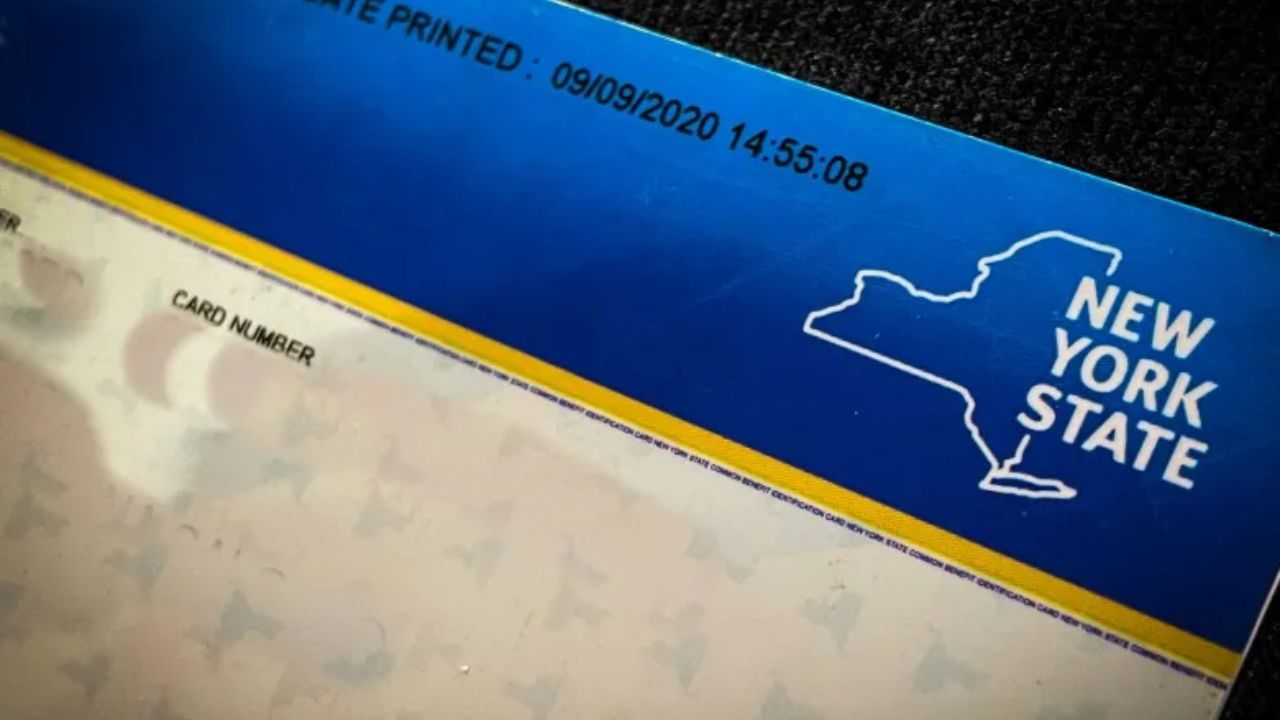
Some states also load cash benefits onto the same card. Knowing what EBT is for keeps you focused on the right program. You should also know what EBT cannot do for you. Start with purpose so the next steps stay clear.
EBT Basics and How It Works at Checkout
At checkout, EBT works like a debit card with a PIN. You swipe or tap, then enter your PIN to approve payment. The terminal approves only eligible items under the program.

Your receipt shows what benefits paid and what you still owe. If a cashier asks about cash back, decline unless you use cash benefits. Keep your PIN private and shield the keypad.
What You Can Buy and What You Cannot
SNAP benefits on EBT are for food you take home and prepare. You can buy produce, meat, dairy, bread, and packaged groceries. Hot prepared meals are often excluded, and non-food items do not qualify.
If your state also loads cash benefits, those funds follow other rules. When unsure, check your state EBT guide before shopping. That prevents stressful declines at checkout.
Why EBT Is Not a Credit Card and Why That Matters
EBT is not credit, so you do not borrow, and you pay no interest. Your balance only reflects the benefits your state deposits each month. You cannot build credit with EBT, and you cannot overdraft it.
If the balance is low, the purchase declines immediately. This changes budgeting because benefits arrive on a schedule. Plan shopping around deposit dates and remaining balances carefully.
The Most Common Buyer Mistakes That Cause Declines
Declines often come from small errors, not a problem with your case. A common issue is entering the wrong PIN until the card locks. Mixing SNAP and cash rules causes confusion when an item is not eligible.
Some stores are not approved retailers, especially online. Wrong household details can slow approval later. Fix these issues early so the benefits work smoothly every month.
Who Is Eligible and What Counts as a Requirement
Eligibility can feel strict because it is based on household facts. The USDA SNAP Eligibility page explains that you apply in the state where you live.
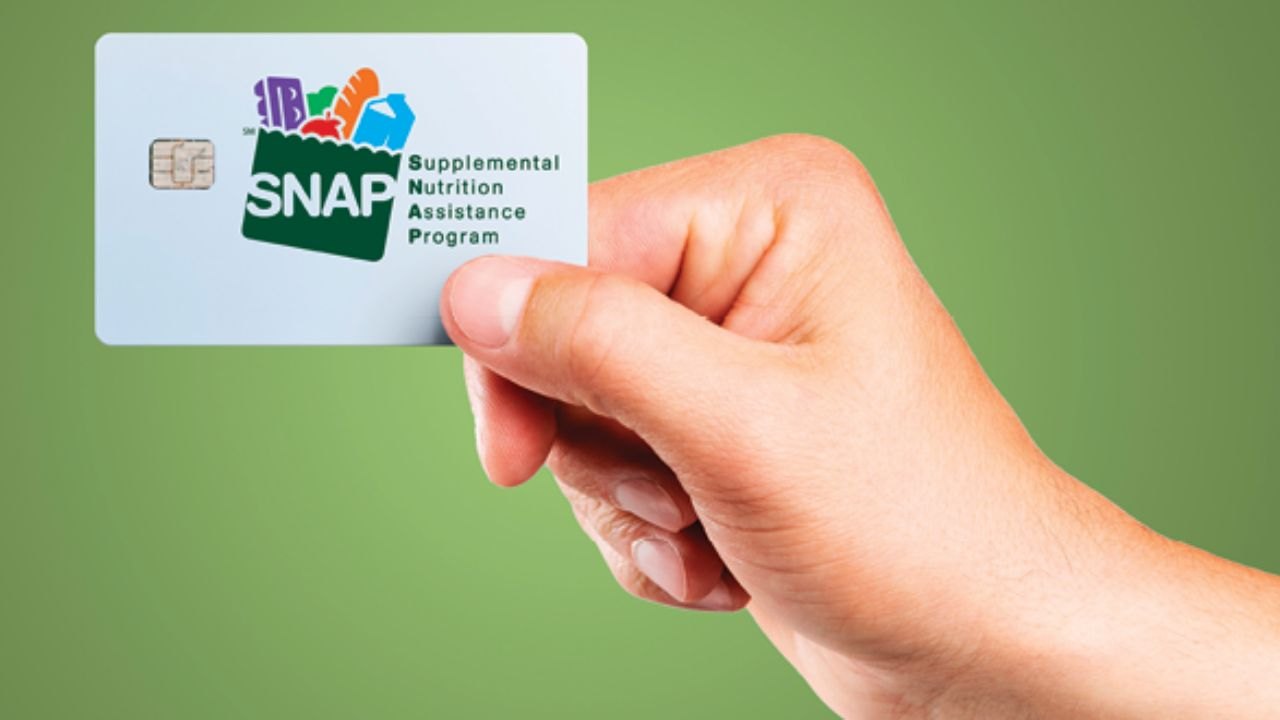
Income and resource limits drive decisions, but deductions can change results. Work rules can apply to adults who can work, with exemptions. Citizenship or lawful presence rules also matter. Use a checklist so you do not waste time.
Household Rules and Why “Household” Is Not Always Family
A household is usually defined as people who buy and prepare food together. That matters because benefits are based on household size and finances. Roommates can be separate households if they keep food separate.
Parents and children are commonly counted together. If you share meals often, you may be treated as one unit. Keep your answers consistent on forms and in the interview.
Income and Resource Rules at a High Level
Income rules usually start with your gross income, then apply allowed deductions. States may also consider resources, sometimes called assets, like money in accounts.
Deductions for housing, utilities, and child care can matter for many households. Because limits change, avoid relying on old numbers from social media.
Your caseworker can explain which deductions fit your situation. Report changes quickly so benefits stay accurate.
Work-Related Rules and Common Exceptions
Work rules vary by age and situation, and your state explains them. Adults who can work may need to register for work or join training. Exemptions can apply to caregivers, some students, or people with disabilities.
Quitting a job without good cause can affect eligibility. If your hours change, report it and ask what changes. Get guidance in writing so you can follow it.
Citizenship and Identity Basics You Should Prepare
Most applicants need a Social Security number for each household member or proof that they applied. Only United States citizens and certain lawfully present noncitizens can receive SNAP.
Some noncitizens face waiting periods, so ask your office what applies. Your state may require identity documents, such as a state ID. If you lack a standard ID, ask what alternatives are accepted. Bring clear copies to avoid delays.
Documents You Should Gather Before You Apply
Documents are where many applications slow down, so prepare early. A state portal like New York’s Apply for SNAP page lists common proof items.
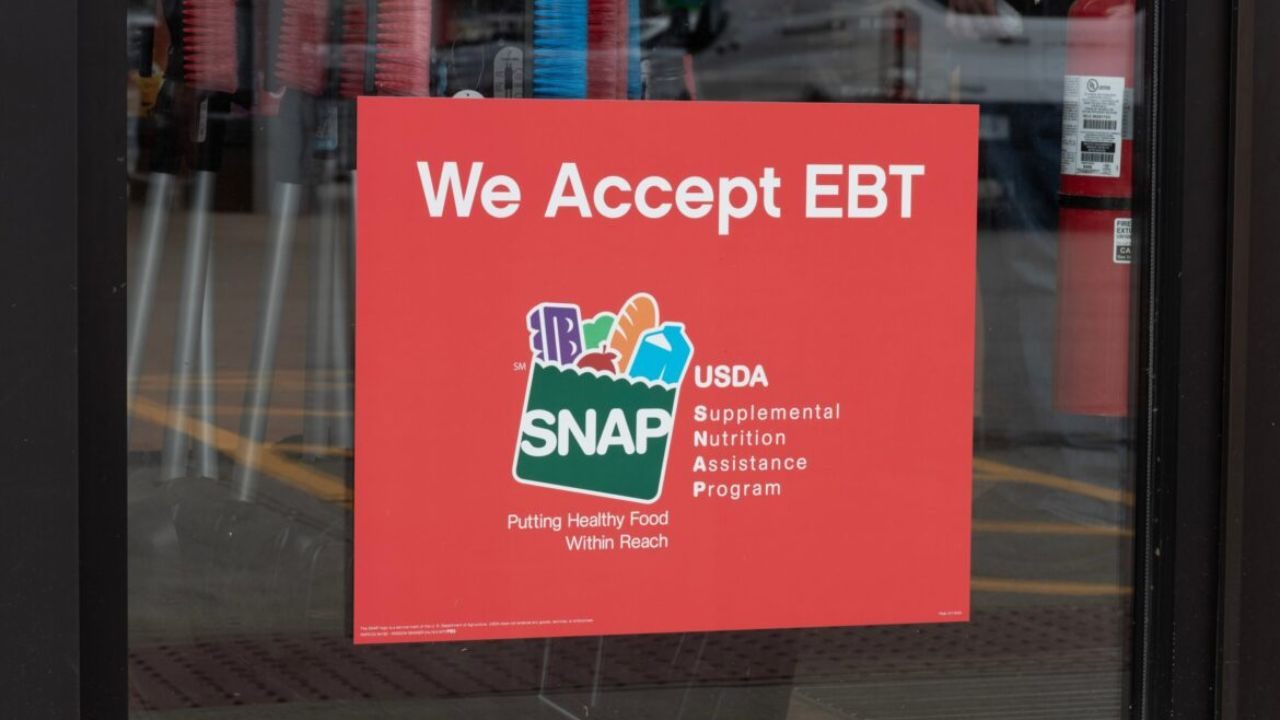
Your goal is to prove identity, residency, income, and expenses with clear records. Missing basics can delay approval, even if you qualify. Use recent documents, not old files. Organize everything so uploads and follow-ups are easy.
Proof of Identity, Address, and Residency
States ask for proof of your identity and where you live. That can include a photo ID, lease, utility bill, or official mail.
Address proof should match your application to avoid extra review. If you moved recently, provide the newest bill and a short note. If you are unhoused, ask about acceptable mailing options. Keep copies of everything you submit for your records.
Proof of Income and Work Status
Income proof usually comes from recent pay stubs or employer statements. If you are self-employed, use invoices and a simple profit and loss summary. Work status matters because some cases require job search steps.
If you receive unemployment or disability income, include award letters. Report variable hours honestly, because mismatches get flagged quickly. Keep documents from the last month ready and organized.
Proof of Expenses That Can Matter in Your Case
Expenses can affect your benefit amount, so collect records that support deductions. Rent or mortgage statements are common, plus property taxes for owners. Utility costs can matter because states may use a standard allowance.
Child care receipts and child support payments may also count. If you pay for heating or cooling, keep a bill that shows it. Submit expenses that are ongoing and verifiable.
What To Do If You Are Missing a Document
Missing a document may not stop an application, but you need a plan. Start with what you have, then ask for a deadline for the rest.
Write down the request list so nothing is missed. If a landlord will not help, use receipts or bank transfers. If you have no pay stubs, request an employer letter. Follow up, because delays often come from silence.
How To Apply, Track Your Case, and Use Your Card After Approval
Applying is simple when you treat it like a checklist. You apply through your state office, then complete an interview if required.
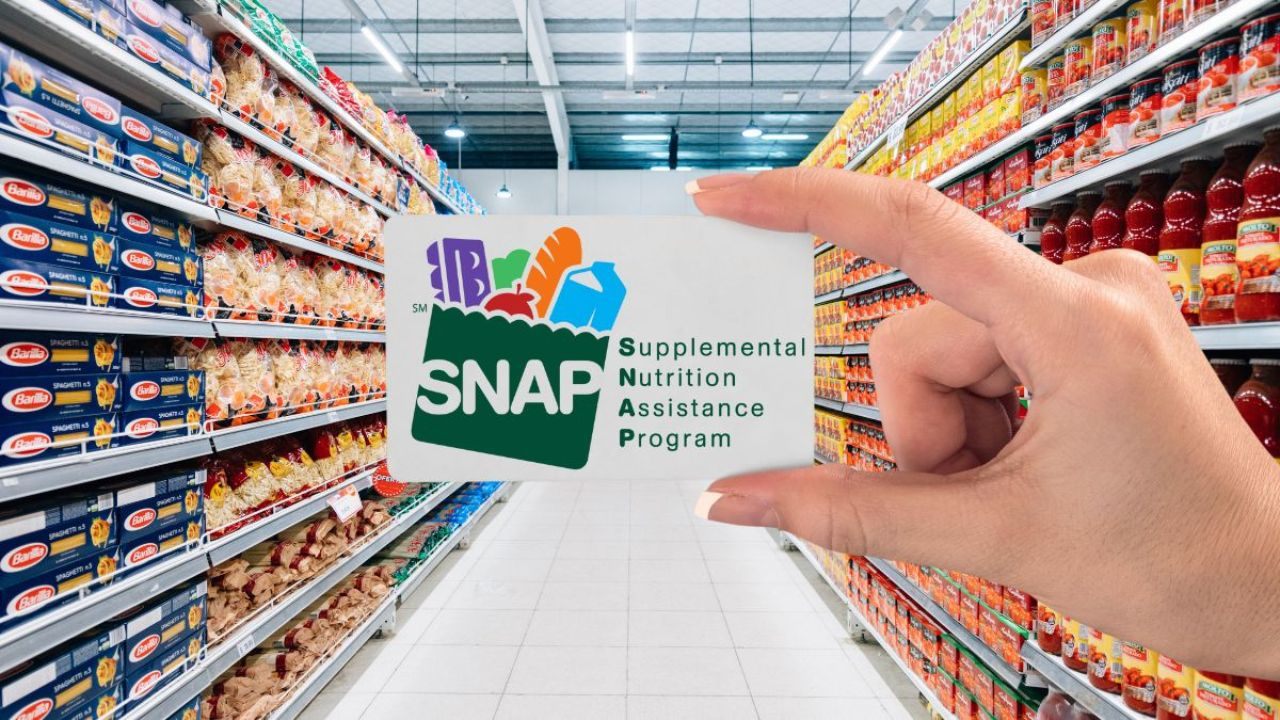
Fast responses keep your case moving when the agency asks for proof. After approval, you receive an EBT card by mail and set a PIN. Many states support ebtEDGE for balance and transaction checks. Use it to track deposits and spot issues.
Online, In Person, Mail, and Phone Application Options
Most states offer several ways to apply, and you should pick the fastest option you can handle. Online applications are common and let you upload documents quickly. In-person help can be better if your household situation is complex.
Phone or mail can work when internet access is limited. Whatever you choose, provide accurate contact details. Save confirmation numbers and copies of what you submit.
The Interview Step and How To Handle It
Many applicants complete an interview with a caseworker, often by phone, before benefits are approved. The goal is to confirm household details and resolve missing information quickly.
Treat the interview like verification, not a test you can guess. Have documents ready, including income, rent, and utility costs. If the time does not work, call early to reschedule. Afterward, respond fast to any follow-up requests.
Approval Timelines and What Delays Processing
Processing time varies, but delays often come from missing documents or missed calls. Some households may qualify for expedited help when needs are urgent. Submitting documents reduces back and forth and speeds review.
Check mail and phone messages during the decision period. If proof is requested, meet the deadline, even if you submit in parts. Keep a log of dates, contacts, and what you sent.
Using ebtEDGE to Check Balance, Deposits, and Transactions
After approval, you receive an EBT card and instructions for choosing a PIN. Do not share the PIN, and change it if you suspect exposure. Checking your balance protects your benefits and supports budgeting.
With ebtEDGE, you can review deposits and transactions without calling. If you see an unfamiliar charge, report it to your state EBT customer service. Ask about replacement and dispute steps immediately.
Conclusion
EBT helps you stretch a tight food budget each month. The process feels easier when you know what to expect ahead. Preparation is the real advantage before you apply. Confirm household details and gather proof documents early. Submit the application, complete the interview, and answer follow-ups. After approval, protect your PIN and check your balance often. That routine keeps benefits reliable and reduces delays.